

Body piercing has become a popular form of personal expression, with people choosing different types of piercings to complement their appearance and individual style. From classic ear piercings to more distinctive facial and body placements, there are many options available today.
Although piercing is generally a straightforward procedure when performed correctly, it involves breaking the skin and therefore carries potential risks such as infection, irritation, allergic reactions, scarring, and delayed healing. Choosing a qualified and experienced professional, using sterile equipment, and following appropriate aftercare instructions are important for reducing these risks. Below are some of the most popular body piercing types and what you should know about each one.
Ear Piercing
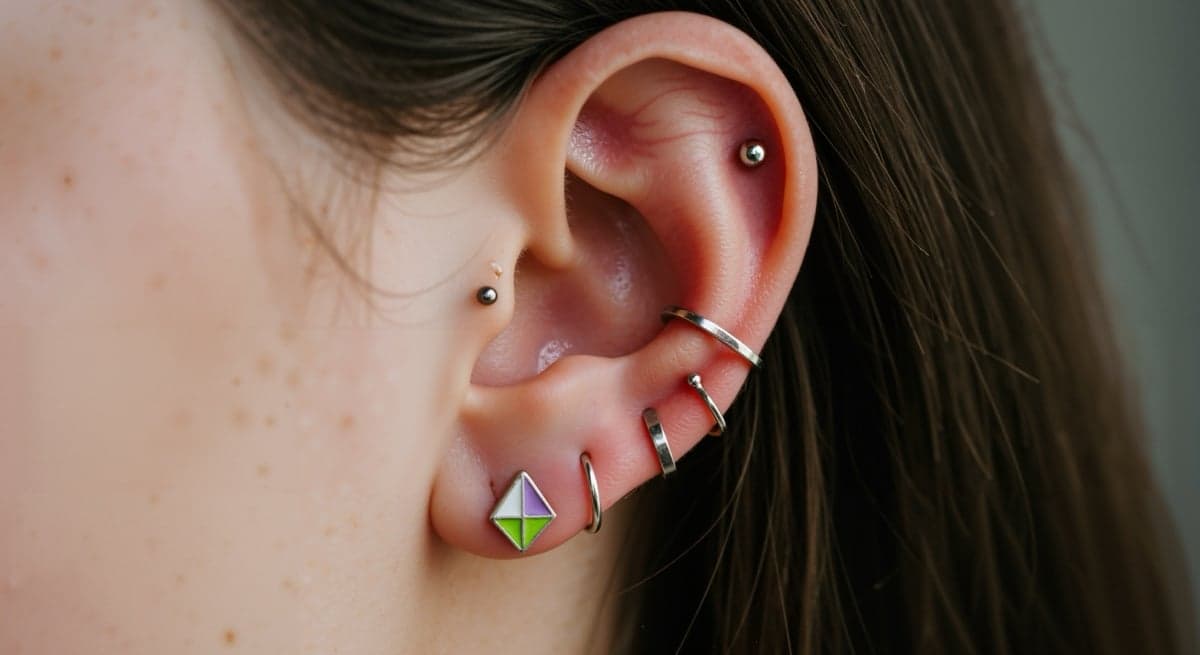
Ear piercing is one of the most common and versatile forms of body piercing. The traditional earlobe piercing is usually the simplest option and is popular among people of many ages. Because the earlobe contains soft tissue and has relatively good blood circulation, it often heals more easily than cartilage piercings.
There are also numerous cartilage piercing options, including helix, forward helix, tragus, conch, rook, and daith piercings. These allow individuals to create different combinations of jewelry and personalize the appearance of their ears.
Healing time varies depending on the location. Earlobe piercings commonly heal within several weeks, while cartilage piercings can require several months or longer to heal completely. During this period, unnecessary touching, twisting, or removing jewelry can irritate the piercing.
Nose Piercing
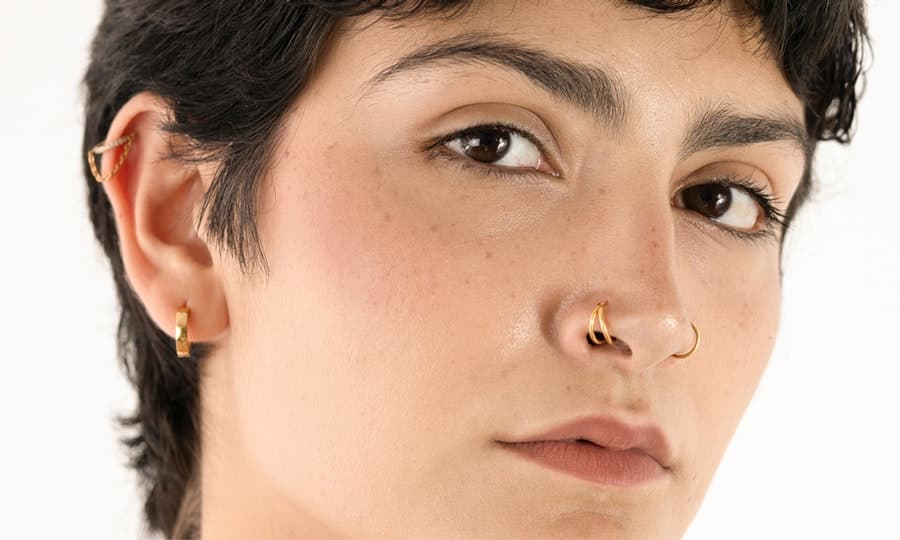
Nose piercing is another highly popular choice and includes several different placements. The nostril piercing is perhaps the most recognizable, with jewelry positioned through one side of the nose. Small studs, hoops, and other jewelry styles can be used once the piercing has sufficiently healed.
The septum piercing passes through the soft tissue in the central portion of the nose rather than directly through the cartilage. When appropriately positioned, it can provide a distinctive appearance and can sometimes be concealed with suitable jewelry.
Because the nose contains numerous microorganisms and is frequently exposed to the hands, respiratory secretions, and environmental contaminants, careful aftercare is particularly important. Touching the piercing with unwashed hands can increase the likelihood of irritation or infection.
Lip & Oral Piercing
Lip and oral piercings include several styles, such as labret, Monroe, vertical labret, and paired lip piercings. Their exact placement varies, with some jewelry passing through the lip and others positioned through the surrounding tissue.
These piercings can create a distinctive facial appearance, but they require special consideration because of their proximity to the mouth. Oral bacteria can contribute to infection, while improperly fitted jewelry may potentially rub against the teeth or gums.
For this reason, choosing an experienced professional is particularly important. Jewelry should be appropriately sized and made from a material suitable for long-term contact with the body. Excessively long jewelry can cause unnecessary movement and irritation, while jewelry that is too tight can place pressure on surrounding tissue.
Temporary swelling is common after a new oral piercing. During the healing period, maintaining good oral hygiene and following professional aftercare instructions are essential. Depending on the location, people may also be advised to avoid certain foods, drinks, smoking, or other activities that could irritate the area.
Eyebrow Piercing
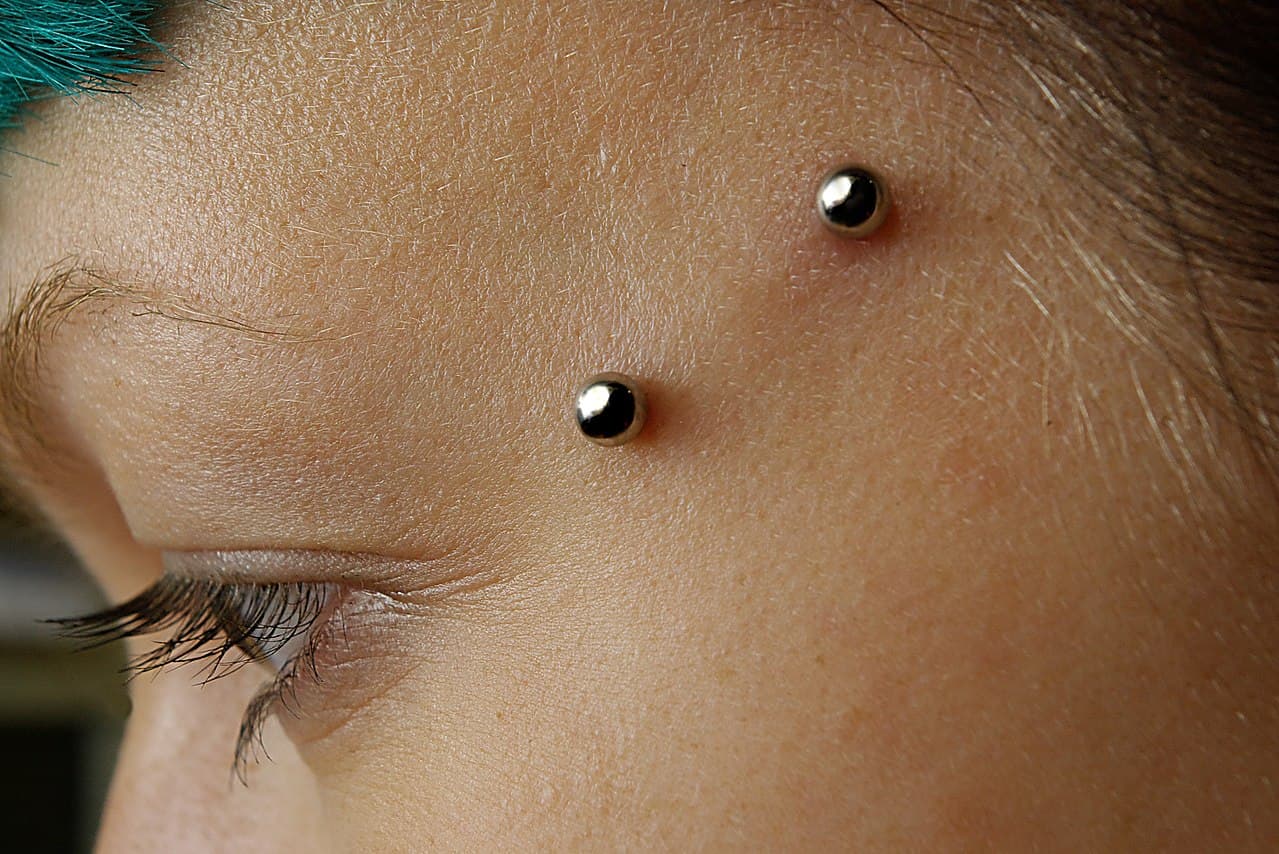
Eyebrow piercing is a type of facial piercing in which jewelry is positioned through the tissue around the eyebrow. It is often chosen by people looking for a visible but relatively subtle facial piercing.
Curved barbells are commonly associated with eyebrow piercings, although jewelry selection should depend on anatomy and professional recommendations. Correct placement is important because inappropriate positioning can increase pressure on the surrounding tissue and contribute to irritation or migration.
One characteristic concern with eyebrow piercings is migration or rejection, in which the body gradually moves the jewelry toward the surface. This can leave a visible scar after the jewelry is removed. Factors such as jewelry quality, placement, individual anatomy, friction, and aftercare can influence this process.
During healing, the piercing should generally be kept clean and protected from unnecessary trauma. Makeup, skincare products, and hair products should be kept away from the healing area when possible because they may cause irritation.
Navel Piercing
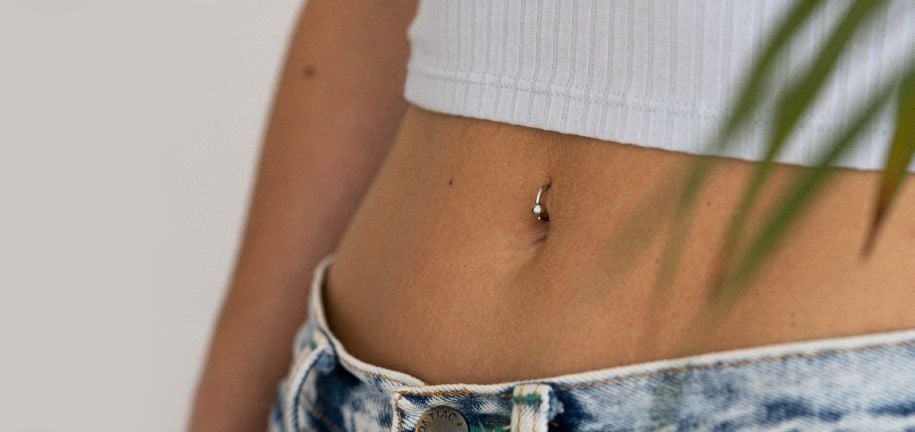
Navel piercing, commonly known as belly-button piercing, is one of the most recognizable body piercings. It typically involves placing jewelry through the skin surrounding the upper portion of the navel.
Unlike earlobe piercings, navel piercings can take considerably longer to heal. The area is frequently exposed to friction from clothing, movement, sweating, and accidental pulling, all of which can prolong healing or cause irritation.
Anatomy also plays an important role. Not every person's navel is suitable for the same piercing placement, so an experienced professional should evaluate the area before proceeding. Jewelry should be selected according to the individual's anatomy rather than simply based on appearance.
During healing, wearing loose and breathable clothing may help reduce friction. Swimming pools, hot tubs, and natural bodies of water may also need to be avoided during the early healing period according to professional aftercare advice.

Tongue Piercing
Tongue piercing is an oral piercing that involves placing jewelry through the tongue. While it remains a popular form of body modification, it requires particularly careful consideration because the tongue is highly vascularized and constantly exposed to oral bacteria.
Swelling and tenderness are common after the procedure and can temporarily make eating or speaking uncomfortable. Because significant swelling can potentially interfere with swallowing or breathing, professional assessment and appropriate aftercare are especially important.
Another consideration is dental health. Jewelry that repeatedly contacts the teeth or gums may contribute to tooth damage, enamel wear, chipped teeth, or gum irritation. Proper jewelry sizing and placement can help reduce unnecessary contact, although the risk cannot always be completely eliminated.
Good oral hygiene is important during healing, and individuals should carefully follow the instructions provided by their qualified piercer or healthcare professional. Alcohol-based mouthwashes or other products that cause irritation may not be appropriate immediately after piercing.
Choosing a Professional Piercing Service
Regardless of the type of piercing, selecting a reputable and experienced professional is one of the most important steps. A professional piercing studio should follow appropriate hygiene and sterilization procedures and use sterile, single-use needles where appropriate.
The piercer should also evaluate the individual's anatomy, explain the procedure, discuss potential risks, recommend suitable jewelry, and provide detailed aftercare instructions.
Jewelry material is another consideration. High-quality materials such as implant-grade titanium can be appropriate for many people, while individuals with known metal sensitivities should discuss suitable options with a professional.
It is also important to understand that healing times differ considerably. A piercing may appear healed externally while the deeper tissue is still recovering, so changing or removing jewelry too early can cause complications.
Aftercare for a New Piercing
Proper aftercare helps support normal healing. General recommendations may include:
Wash your hands before touching the piercing.
Clean the area according to professional instructions.
Avoid unnecessary twisting, pulling, or playing with the jewelry.
Minimize friction and pressure on the healing area.
Avoid applying cosmetics or irritating products directly to a new piercing.
Do not remove jewelry prematurely unless advised by a healthcare professional.
Monitor the piercing for signs of infection or other complications.
It is normal for a new piercing to experience some tenderness, mild swelling, or limited crusting. However, symptoms that become progressively worse should not be ignored.
Conclusion
Body piercing offers numerous ways to express personal style, from classic ear and nose piercings to eyebrow, lip, navel, and tongue piercings. Each type has different anatomical considerations, healing times, jewelry requirements, and potential risks. The safest approach is to have the procedure performed by a qualified professional who uses appropriate hygiene and sterilization practices. Understanding the healing process and following aftercare instructions can also significantly contribute to a successful result.
Read More